









What Are Dental Implants?
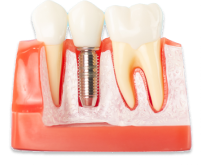
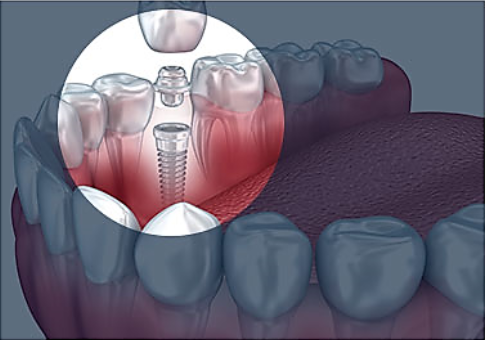
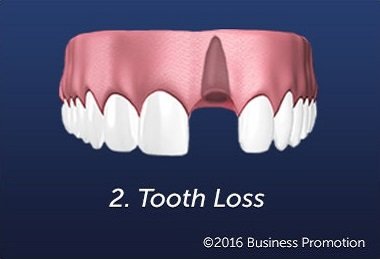
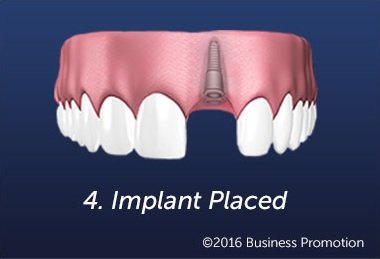
Like your natural teeth, dental implants have a crown and a root. However, the dental implant post, which acts as a tooth root, is made from titanium—the same time-tested material used by surgeons for artificial joints. When you lose a tooth, the root and the crown are both lost. To replace the tooth, our oral surgeon first replaces the root with a small dental implant.
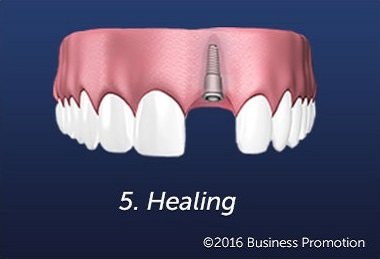
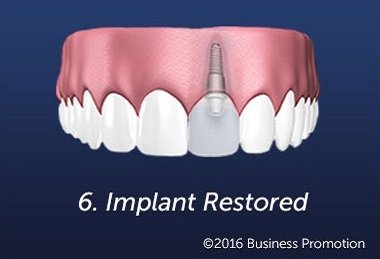
During the healing process, the jawbone bonds with the titanium, making the dental implant a permanent part of your smile. A small post called an abutment is then attached to the implant and a replacement tooth (crown) is connected to the abutment. In many cases, a temporary replacement tooth can be attached to the implant immediately after it is placed.
The Surgical Procedure
Before surgery, our oral surgeon may give you antibiotics, or even intravenous sedation or nitrous oxide, which is also called laughing gas. The surgical procedure to place an implant post takes 30 to 60 minutes for one implant and only 2 to 3 hours for multiple implants. The treatment area will be numbed with a local anesthetic.
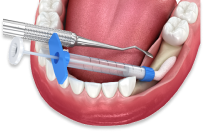
When you are comfortable, Dr. [doctor_name] will make a small incision in the gum tissue to reveal the bone, create space using special instruments, and gently insert the titanium implant. In many cases, the top of the implant will be visible above the gums. Sometimes it is better to have the implant covered by the gum tissue in the early stages of healing.
The Healing Phase
The length of the healing phase varies from person to person, depending upon the quality and quantity of bone in their jaw. In some cases, the dental restoration can be placed immediately after the implant post is placed. Our oral surgeon will advise you on follow-up care and timing. After the initial phase of healing, an abutment, or support post, will be attached to the implant post. This allows the gum tissue to mature and allows access to the implant.
In some cases, impressions are made at the time the implant is placed. This enables the crown to be constructed by the time that the implants have healed.
When Are Dental Implants Placed?
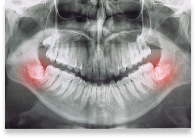
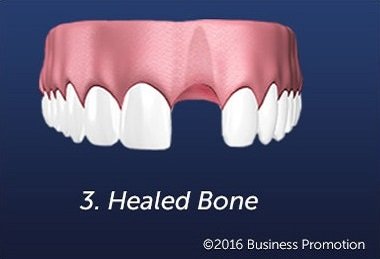
Implants are usually placed several months after tooth extraction. At times, an implant may be placed immediately after the extraction of a tooth. This may involve a little more risk, but it simplifies the process. Waiting for another appointment to place the implant wouldn’t be necessary. Immediate implant post placement is not the best option when infection or other problems with the bone are present.
If your tooth has been missing for a while, the adjacent supporting bone is likely to shrink and grow thinner. This happens because the tooth root has to be present to stimulate the bone. As much as one third of your jaw’s thickness can be lost in the year following tooth extraction. For patients who are missing bone structure, a bone graft can be beneficial. A bone graft will ensure that the implant will be adequately supported when it is placed in the jaw.
Feel free to contact [practice_name] today to schedule an appointment and to learn more about implant placement in [city], [state].