A TEMPORARY ANCHORAGE
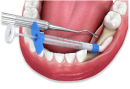
DEVICE (TAD) is a bone anchor made of titanium that looks like a miniature version of a wood screw. Orthodontists use a TAD to provide an anchor that they can use to move a nearby tooth.
TAD’s
Temporary anchorage devices (TAD’s) for orthodontic anchorage are widely accepted. They are changing the way orthodontists treat some patients’ malocclusions. TAD’s provide a fixed
point from which to apply force to move teeth. Placement is customized for each patient. TAD’s contribute to predictable results, shorter treatment time and completion of active treatment on schedule. There is little or no discomfort when a TAD is placed. Caring for your TAD generally requires only routine brushing.
Although small, the TAD does a big job of helping your orthodontistmove your teeth predictably into their optimal positions.
How long are TAD’s left in?
Your orthodontist will advise you how long a TAD will be needed. It may be only for a few months, or it may be needed throughout your orthodontic treatment. TAD’s are versatile and may be used in different areas of the mouth during different parts of treatment.
What are TAD’s?
TAD’s are titanium-alloy mini-screws, ranging from 6 to 12 millimeters in length and 1.2 to 2 millimeters in diameter. They are fixed to bone temporarily to enhance orthodontic anchorage. Titanium alloys are used as joint replacements and for dental implants for many years. These alloys are rarely rejected by the body.
Where are TAD’s placed?
TAD’s are placed in the bone between the roots of the teeth and can be placed in the bone in the roof of the mouth as well.

Click For Sound




Oral Surgery
Dental Implants
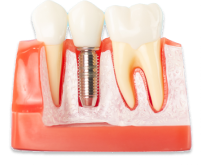
Dental implants serve as a robust and reliable restoration choice, designed intricately to replace missing teeth and restore the natural charm of your smile. Offering unique advantages such as superior durability, natural aesthetics, and high comfort, they bring long-term value by improving your overall oral health and boosting your confidence.
Bone Grafting
Bone grafting is a highly efficient dental surgery performed to rectify issues related to the bones of the jaw. It plays a pivotal role in implant dentistry, allowing dental professionals to effectively replace lost bone, thereby enabling the successful installation of dental implants.
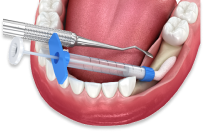
Wisdom Teeth Extraction
With expert precision and a dedicated focus on patient comfort, our team of dental professionals provides top-tier services in the removal of complex wisdom teeth, safeguarding your oral health and ensuring a pain-free experience.
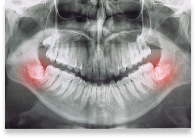
Impacted Canine
If a tooth is impacted, it cannot erupt through the gums properly. The cuspid tooth is critical in your dental arch and plays an important role in your bite. Our orthodontist and oral surgeon will work together to make sure your bit is not compromised.
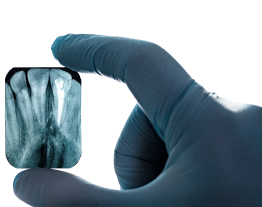
Tooth Extraction
There are a number of reasons why you may need a tooth extraction. Extractions can lead to issues with chewing ability, problems with the jaw joint, and shifting teeth. Our oral surgeons are prepared to discuss any alternatives to extraction and tooth replacement options to keep your smile.
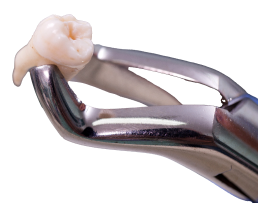
Oral Pathology
The skin on the inside of your mouth is normally smooth and coral pink in color. If the appearance of the inside of your mouth changes at all, this could be a warning sign of a pathological process, which could be oral cancer. Schedule today for an examination to prevent any further damage.

Dental Implants
Bone Grafting
Wisdom Teeth Extraction

Impacted Canine
Tooth Extraction
Oral Pathology
Face